

2026 NSCA YOUTH STRENGTH & CONDITIONING SUMMIT
Create the Foundation for Long-Term Athletic Development and Lifelong Strength
September 26, 2026 | St. Paul, MN | In Person Only | 0.8 Category A CEUs
2026 NSCA Youth Strength and Conditioning Summit has been cancelled due to low registration
Overview
Youth training is where coaching and teaching meet. Early exposure should help developing athletes build movement skills, confidence, and habits they can carry forward. The 2026 NSCA Youth Strength and Conditioning Summit helps coaches, educators, and performance professionals turn training into systems.
Explore the “strengthspan” through movement progressions, data-informed program design, fueling, and return-to-activity decisions. Earn 0.8 CEUs and leave with clearer ways to coach the whole athlete.
Event Highlights
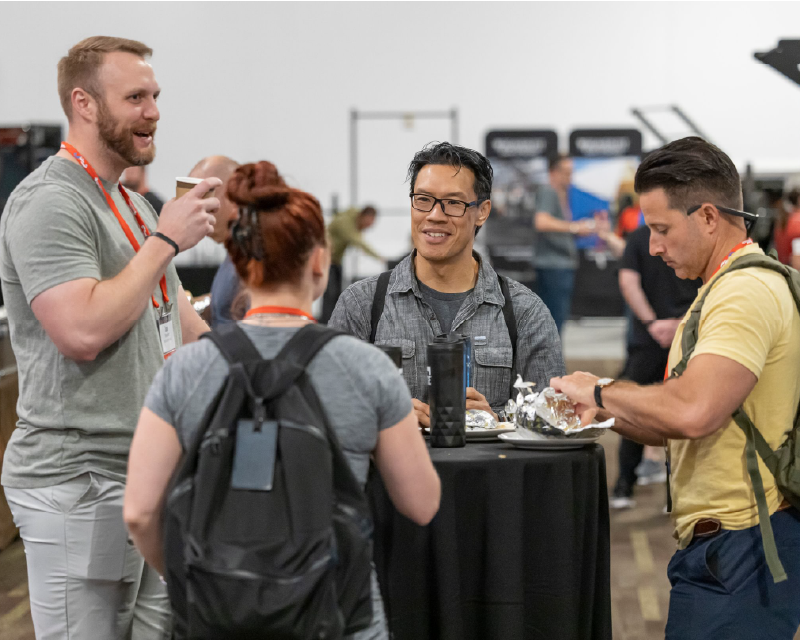
Summit Social
Friday, September 25 | 5:30 – 7:30 pm
Join fellow attendees for a relaxed evening to connect, compare perspectives, and talk shop before the Summit begins.
Lake Monster Brewing Co.
550 Vandalia St #160, St Paul, MN 55114
Included with Registration
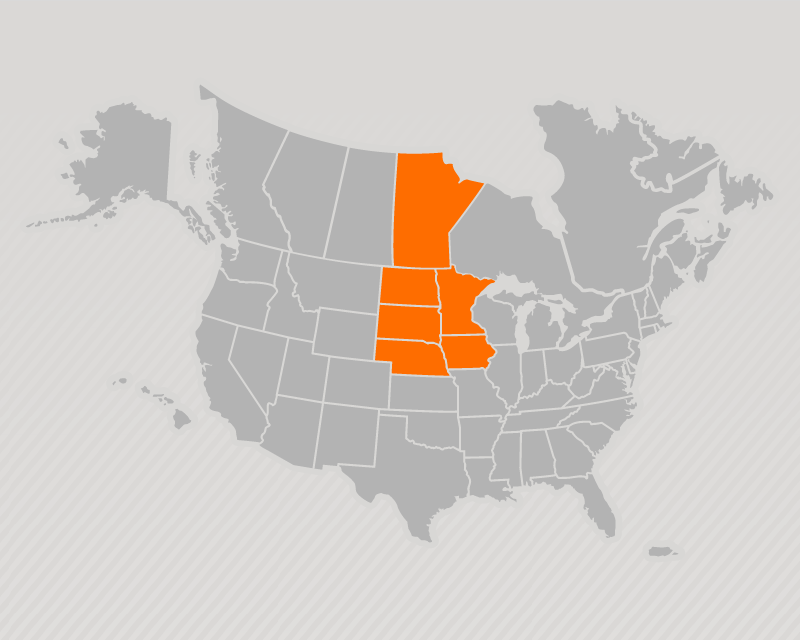
Supported by the NSCA North Central Region
The volunteer-led NSCA North Central Region (NCR) connects professionals across Iowa, Minnesota, Nebraska, North Dakota, South Dakota, and Manitoba through local educational events and community.
Supported by NSCA High School Coaches PDG
The NSCA High School Coaches Professional Development Group (PDG) represents the needs and priorities of high school strength and conditioning coaches through advocacy, needs analysis, and collaboration that helps advance the profession.
Schedule
| Event Itinerary - Friday, September 25 |
|
5:30 PM - 7:30 PM Summit Social – Lake Monster Brewing Co. Lake Monster Brewing Co. 550 Vandalia St #160, St Paul, MN 55114 |
| Event Itinerary - Saturday, September 26 |
|
7:00 AM - 8:00 AM Social & Coffee with Exhibitors Light breakfast provided |
|
8:00 AM - 8:50 AM Keynote: Why Strengthspan Matters: From Youth to Truth by Avery Faigenbaum, EdD, CPSS, CSPS, CSCS, TSAC-F, FNSCA
Lecture |
|
9:00 AM - 11:50 AM Group Sessions — Morning Rotation Group sessions repeat across rotations, so attendees attend each session by the end of the day. |
|
9:00 AM - 9:50 AM Fueling Made Simple: Practical Strategies for Teaching Youth Athletes About Nutrition by Danielle Rancourt, MS, RD
Lecture |
|
9:00 AM - 9:50 AM Bobcat Basics: Developmental Training and Movement Patterns for Early Success in our Strength Training Program by Kerry Brown, MS, CSCS
Hands-On |
|
10:00 AM - 10:50 AM Increase your Credibility- Creation of a Curriculum by Justin Loudon, CSCS, RSCC*D
Lecture |
|
10:00 AM - 10:50 AM Building Performance Foundations with Olympic Lifts for Young Athletes by Shelby Assmus, MS, CSCS
Hands-On |
|
11:00 AM - 11:50 AM Rehab in Youth by Tyler Wheeler, CSPS, CSCS & Eric Perkins
Hands-On |
|
11:00 AM - 11:50 AM From Data Decision-Making to Functional Movement Progression: Building a Holistic Model for Youth Athletes by Nicole Greufe, MS, CPSS, CSCS and Garrett Eggleston
Lecture |
|
12:00 PM - 1:00 PM Lunch Lunch Provided |
|
1:00 PM - 3:50 PM Group Sessions — Afternoon Rotation |
|
1:00 PM - 1:50 PM Fueling Made Simple: Practical Strategies for Teaching Youth Athletes About Nutrition by Danielle Rancourt, MS, RD
Lecture |
|
1:00 PM - 1:50 PM Bobcat Basics: Developmental Training and Movement Patterns for Early Success in our Strength Training Program by Kerry Brown, MS, CSCS
Hands-On |
|
2:00 PM - 2:50 PM Increase your Credibility- Creation of a Curriculum by Justin Loudon, CSCS, RSCC*D
Lecture |
|
2:00 PM - 2:50 PM Building Performance Foundations with Olympic Lifts for Young Athletes by Shelby Assmus, MS, CSCS
Hands-On |
|
3:00 PM - 3:50 PM From Data Decision-Making to Functional Movement Progression: Building a Holistic Model for Youth Athletes by Nicole Greufe, MS, CPSS, CSCS and Garrett Eggleston
Lecture |
|
3:00 PM - 3:50 PM Rehab in Youth by Tyler Wheeler, CSPS, CSCS & Eric Perkins
Hands-On |
|
4:10 PM - 4:50 PM Keynote: Bridging the Gap to the Next Level by Corey Petersen, MEd, CSCS
Lecture |
Venue & Hotel
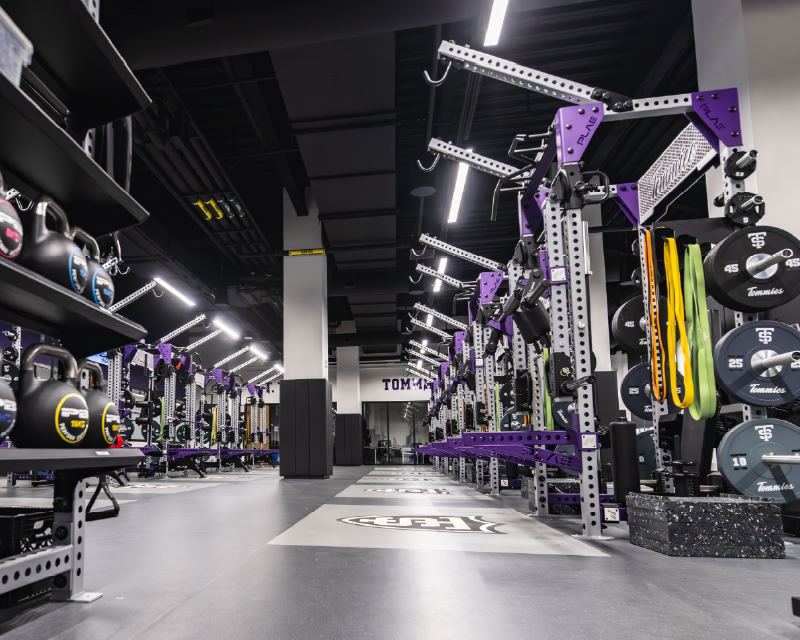
Held at University of St. Thomas
Set in St. Paul, MN, the main campus offers a classic university setting featuring classroom and athletics facilities, with Minneapolis–Saint Paul International Airport only 15 minutes away.
2115 Summit Avenue
St. Paul, MN 55105
Hosted by:
Seth Daughters, MS, CSCS
NSCA North Central Regional Coordinator
conferences@nsca.com
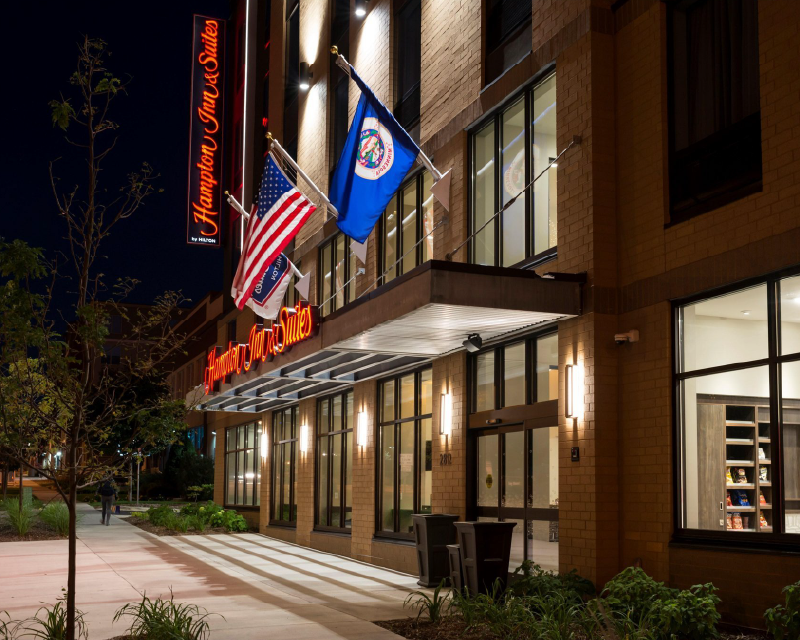
Stay at Hampton Inn & Suites Minneapolis University Area
Reserve your room less than a 10-minute drive away from the venue under our NSCA rate.
2812 University Ave. SE
Minneapolis, MN 55414
Limited Availability
|
Anya Belcher, CSCS |
“I truly got a lot of little things from each of the presenters. It was very informative and a great way to add to my coaching.” |
Pricing
Lock In Your Fall Summit Savings Early
|
Early Bird Through September 9 |
Standard September 10 – On-Site |
|
|
Non-Member |
$135 |
$185 |
|
Professional Member |
$115 |
$165 |
|
Student Member |
$50 |
$60 |
Each Summit offers 0.8 CEUs
Category A toward the 2024 – 2026 NSCA recertification cycle.
Choose the Best Summit for You
All five Fall Performance Summits run simultaneously across the country, each built around a focused strength and conditioning theme. Before registering, make sure this Summit best aligns with your goals and interests or revisit the full topic lineup.
FAQ
-
Do I need to attend all five Summits to earn 0.8 CEUs?
No. The 2026 NSCA Youth Strength & Conditioning Summit offers 0.8 CEUs Category A on its own. Because all five Summits take place at the same time nationwide, you only need to attend the one you choose.
-
Is this Summit offered virtually?
No. The 2026 NSCA Youth Strength & Conditioning Summit is an in-person event only.
-
Where is this Summit held?
The 2026 NSCA Youth Strength & Conditioning Summit is held at the University of St. Thomas in St. Paul, MN.
-
Anti-Discrimination and Anti-Harassment
National Strength and Conditioning Association is dedicated to providing a harassment-free and discrimination-free experience for everyone at NSCA events. NSCA seeks to provide an event environment in which diverse attendees may learn, network and enjoy the company of colleagues in a professional atmosphere. NSCA does not tolerate discrimination or harassment of attendees in any form.
Policy & Procedures -
Cancellation Policy
Event Cancellation: Sign up by the early registration date to lock in early bird pricing and help ensure the clinic isn't cancelled due to low registration!
Individual Cancellation: All refund requests must be submitted in writing (email) and should state the reason for cancellation. No refunds will be accepted over the phone.
Email: conferences@nsca.com50% refund if postmarked on or before the early registration date.
No refund after the early registration date. -
Other Frequently Asked Questions
Will I receive the speaker PowerPoint presentations?
If they are available, you will receive them via email within 2 weeks after the event.Will I receive a Certificate of Attendance?
Yes. A certificate will be emailed to you approximately 2 weeks after the event.How do I report my CEUs?
The NSCA will automatically apply the CEUs to your NSCA Account. If you need to report CEUs elsewhere, you may use the Certificate of Attendance.Can anyone register for this event?
Yes. Anyone who is interested in an NSCA Event can register.Do I need a Membership to register?
Create Account
No. You only need an NSCA Account to register. If you do not have one, you can create one for free.

- Privacy Policy
- Your Privacy Choices

- Terms of Use
- Retraction and Correction Policy
- © 2026 National Strength and Conditioning Association