

Vincent Martins on Learning, LTAD, and High School Strength
by NSCA
Other
September 2026
Vincent needed someone to teach him how to learn. Now he asks students to understand their training well enough to “coach it back.”
Just Step and Kick
At Windermere Preparatory School, Vincent Martins, CSCS, RSCC, teaches movements step by step, even when the basics seem obvious.
For Martins, learning to teach movement goes back to an early childhood development course at Norwich University, where he was asked to teach a 3-year-old to kick. “I’m like, ‘Teach them how to kick. What do you mean? Just step and kick,’” he recalls.
The assignment forced him to break down the step, weight shift, and coordination behind a movement he’d performed for years without thinking. It “turned a switch in my brain,” Martins says. He still sees the need to break movements down when high school students stumble through A-skips or run instead of skipping.
“You can’t just assume,” he says. “Teach everybody like they’re at ground zero.” From there, he can give more to students who are ready.
Martins admits academics weren’t at the top of his list when he first arrived at Norwich to play football. Although he enrolled through Norwich’s civilian pathway, the senior military college’s structure still set the pace.
Martins remembers finishing his first semester with about a 0.8 GPA. Academic probation sidelined him until his grades improved. “I didn’t even have any idea how to study,” he says. Norwich assigned him a tutor, and instead of going to practice, he spent three hours in the library each weekday building study habits and figuring out whether he learned best visually or by writing things down.
Martins calls those first four months “awful.” He’d never lived outside Florida and was close with his family, so he called his parents and asked to come home.
His grandmother told him, “You’re not coming home. You need this.” He’s grateful she held firm. He says staying at Norwich was “a huge stepping stone” for him as a person and a coach.
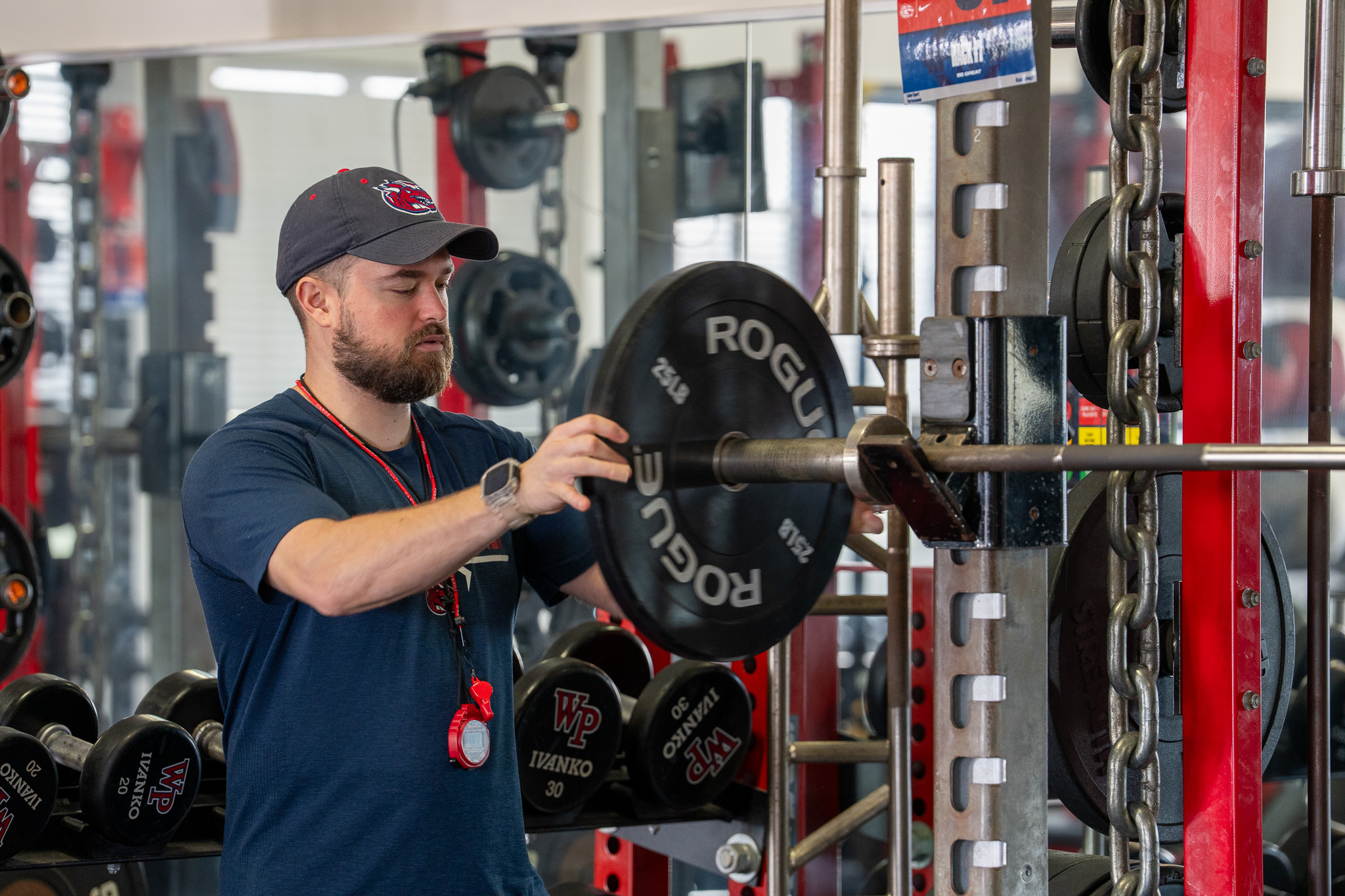
Photo by Aaron Zhang, courtesy of Windermere Prep.
A Bigger Hand in Development
Along with playing football, Martins originally planned to pursue physical therapy. But he found he preferred working with groups and felt a deeper connection to the weight room. He switched majors and began interning with Norwich’s strength and conditioning staff during his final year.
At the end of the internship, the Norwich staff offered him an assistant position — if he earned the CSCS® credential. But he didn’t pass on his first attempt and found himself asking, “Where do I go now?”
Until then, Martins had assumed strength and conditioning meant collegiate coaching. At his high school, sport coaches had run the weight room, so he didn’t know dedicated positions existed in schools.
That summer, Martins interned at Windermere Prep, his first look at comprehensive strength and conditioning for middle and high school students. “I was like, ‘Wow, this can really be an avenue,’” he says.
Martins earned his CSCS that August. The following year, he took a graduate assistantship at William Penn University. He coached college teams in the morning and directed training at a local high school in the afternoon. He enjoyed the collegiate team atmosphere but felt high school coaching gave him “a bigger hand in development.”
High school coaching kept drawing Martins back. After leading programs in both settings elsewhere, he returned to Windermere Prep, where he now serves as Director of Strength and Conditioning. The school also partners with two golf academies, giving Martins another opportunity to help athletes establish sound training habits early.
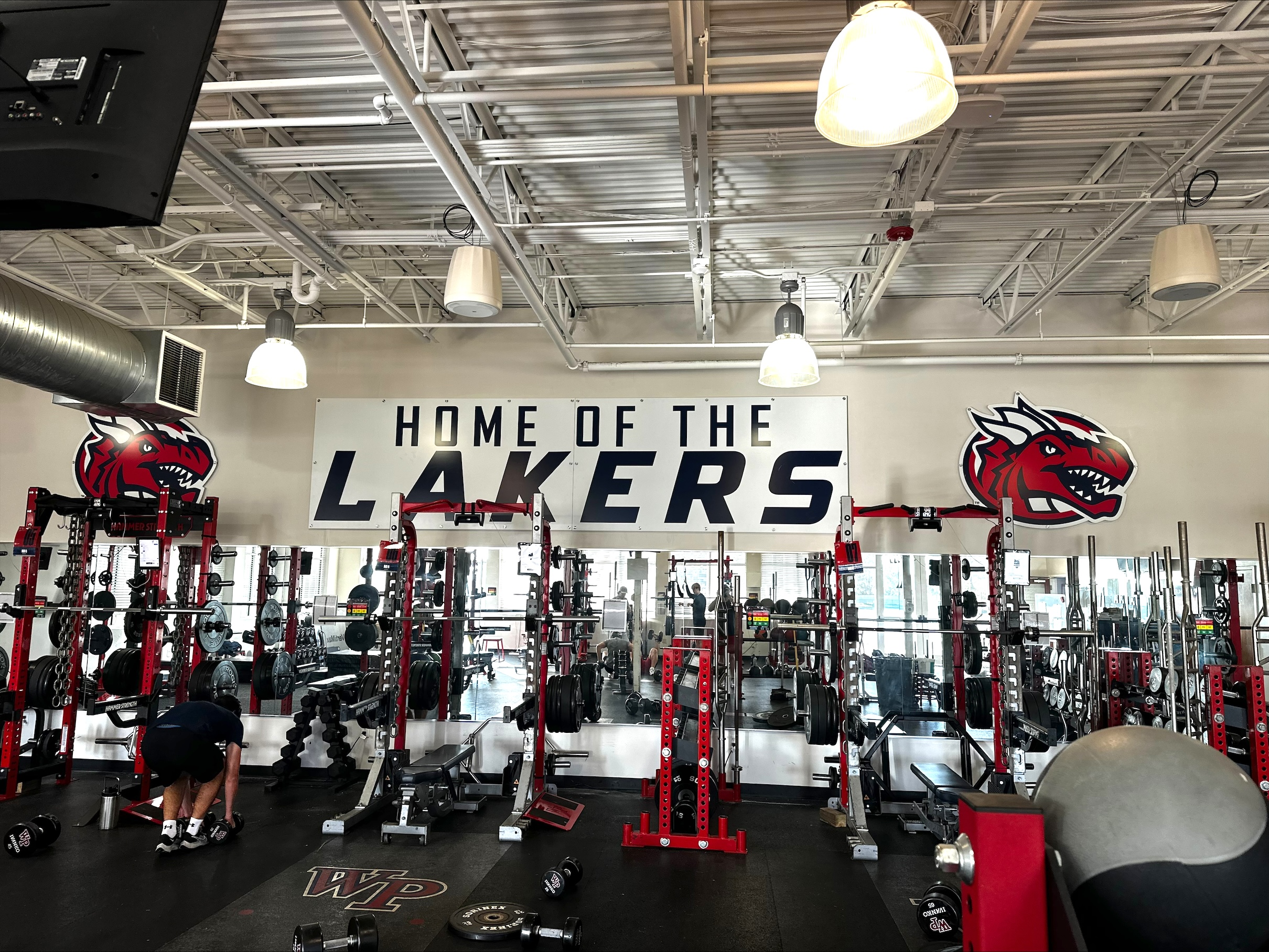
Photo courtesy of Vincent Martins.
Coaching It Back
At Windermere Prep, Martins works with students across age groups and training settings. In the Laker Youth Development program, students in grades 4 through 8 learn to squat and hinge with bodyweight and light dumbbells to prepare for the high school program, a progression consistent with the NSCA’s long-term athletic development (LTAD) principles.
In one high school class, basketball, football, and baseball players train alongside 10–12 students who don’t play a sport. Some hope to compete in college; others want to stay active and enjoy class.
“I don’t want to be seen as the weights guy,” Martins says. He wants to be someone students can go to whether or not they compete for the school.
Windermere Prep’s boarding students come from around the world, and Martins remembers leaving his close family in Florida. When he isn’t coaching, he tries to attend plays and academic events. Sometimes, he says, supporting students means “just being around.”
Martins also expects students to understand the technology they use. “I don’t want to collect data just to collect data. I want to be able to explain to the athlete what we’re measuring and why we’re doing it,” he says.
Each week, students analyze a test or exercise and “coach it back” to Martins. One senior built his project around bar velocity and its relationship to force output, then kept coming in to experiment with the equipment. “He wants to be a sports scientist,” Martins says.
Martins continues to look for ways to improve the program at Windermere Prep. For him, the NSCA School of Distinction recognition represents a commitment to a safe, enjoyable environment and ongoing professional development.
But he’s cautious about chasing every new idea. “Sometimes you get caught up in ‘What’s the most complicated and fun new thing I can learn?’ And then you haven’t really touched on the basics,” he says.
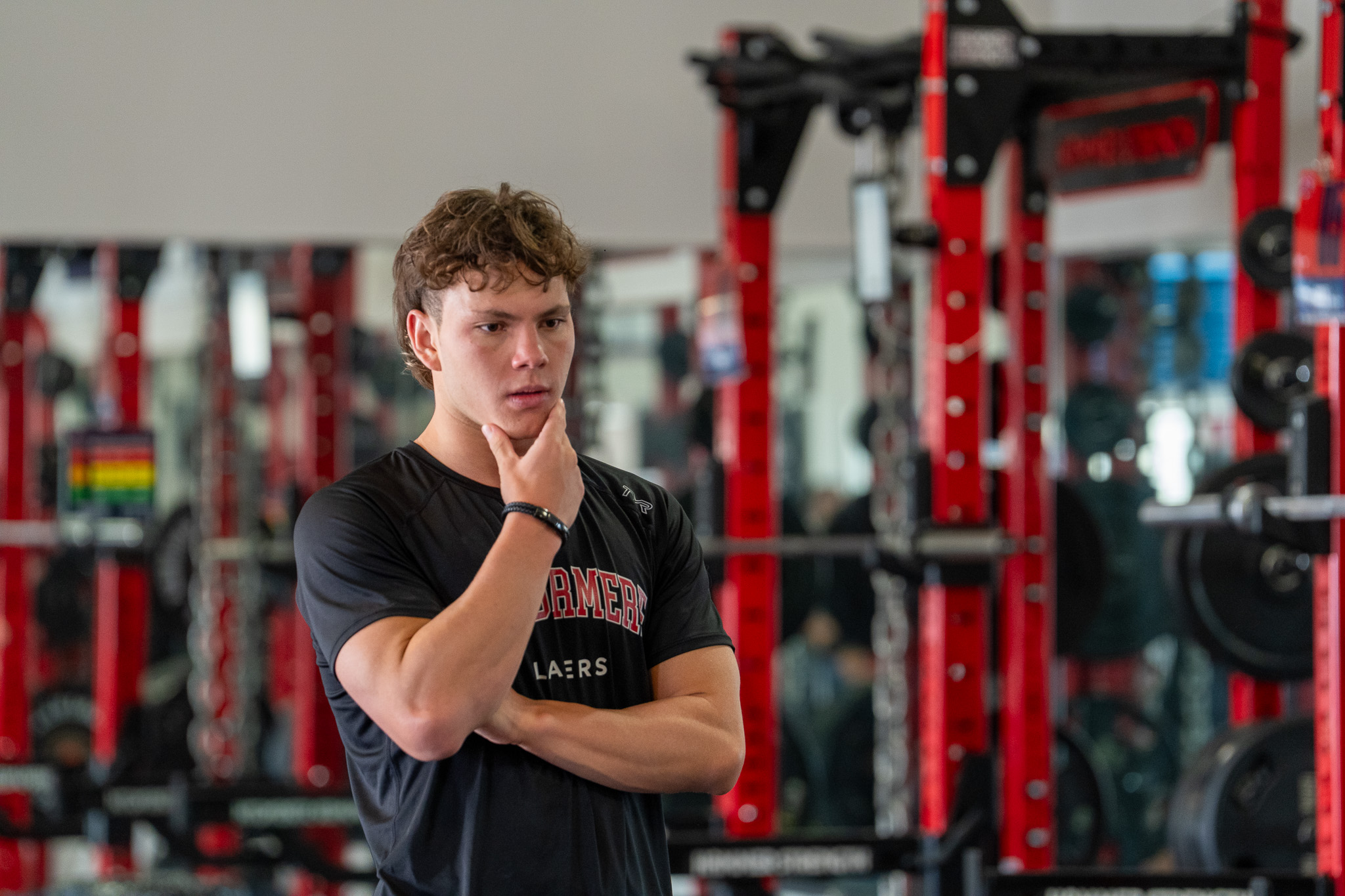
Photo by Aaron Zhang, courtesy of Windermere Prep.
From the Field: Vincent’s Perspective
Q: What should come first when you’re building a high school strength and conditioning program?
A: I call the first year “year zero.” You’re establishing how the room operates, teaching foundational movements, and getting students used to the program. Early on, progress can be as simple as everyone being ready when the whistle blows.
Q: How do you account for training students do outside of school?
A: I tell private trainers, “I’ll work with you. Just communicate.” I give students our program ahead of time and ask what they’re doing elsewhere. If they back squat in class and again with a trainer, we’ve doubled the workload. Some bench outside school, too. Extra training needs structure, and we should all work together.
Q: How did you connect your program with academic departments?
A: We framed our technology as a resource for the whole school. Our athletic director and I met with the science department and took the idea to our school president. We shared it in the schoolwide newsletter and asked department heads, “How can we use this?” We now partner with the physics department, and other classes come in to use the equipment, too.
You just read an article from the NSCA’s Member Spotlight series. Your path might be exactly what another strength and conditioning professional needs to see. Share your story with marketing@nsca.com.

- Privacy Policy
- Your Privacy Choices

- Terms of Use
- Retraction and Correction Policy
- © 2026 National Strength and Conditioning Association